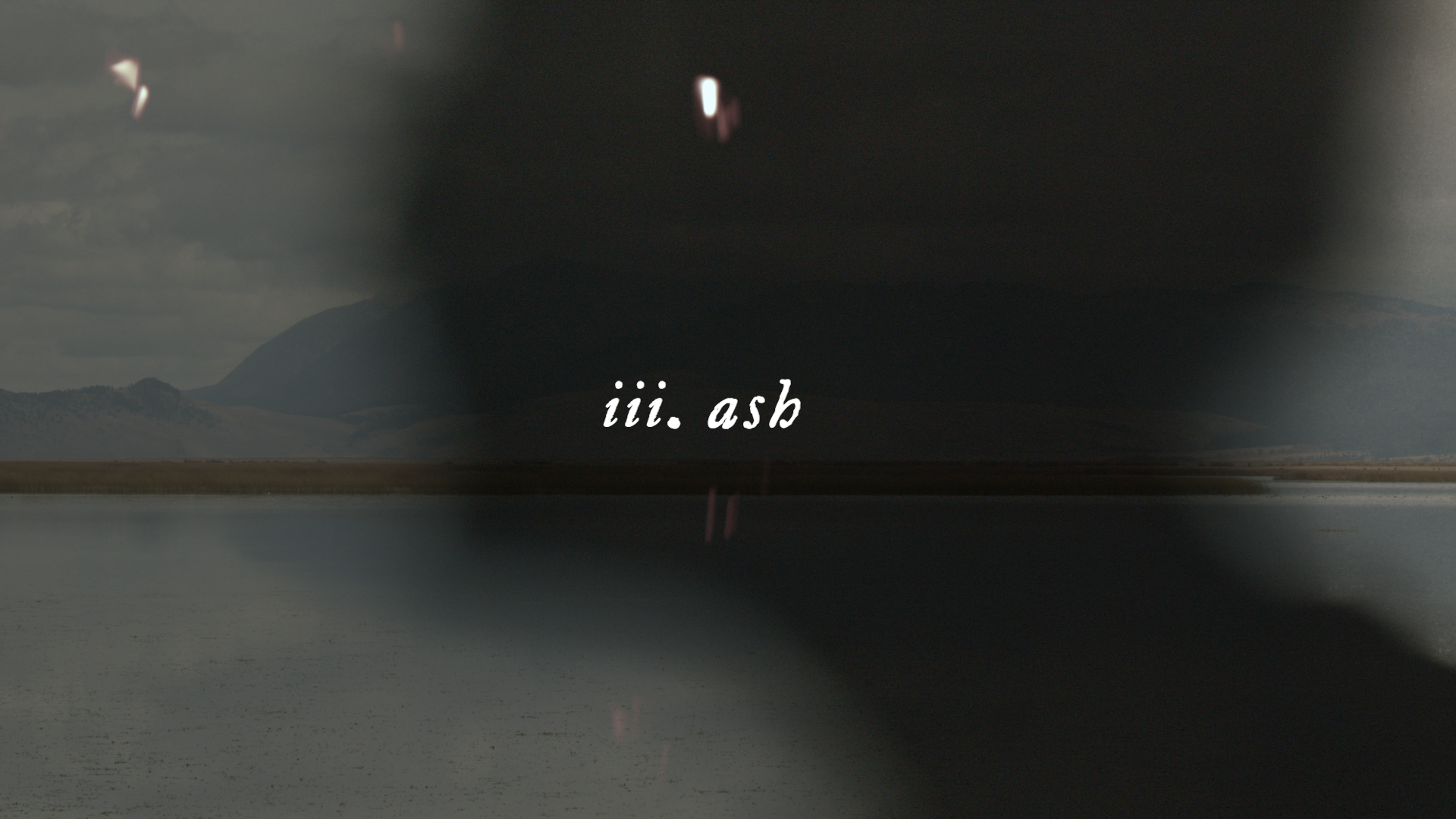
Home, Identity, & Belonging: Mihir Pyakuryal on his film “I Listen For the Sound of Ashes”

“My relationship with my parents largely exists through phone calls,” says Mihir Pyakuryal, an MFA candidate in the University of Utah Department of Film & Media Arts. His film reflects that reality. “I Listen for the Sound of Ashes,” Pyakuryal’s short film, uses audio from Pyakuryal’s phone calls with his parents, who live in Nepal, juxtaposed with imagery of the Mountain West, his current home. The film has shown at the Kathmandu International Mountain Film Festival (KIMFF), and as it continues to travel around the festival circuit, Pyakuryal shared insights on creation of the film.
“I Listen for the Sound of Ashes” is deceptively simple at first. Over patiently paced landscape imagery are moments of Pyakuryal’s parents talking, conversations between loved ones a world apart.
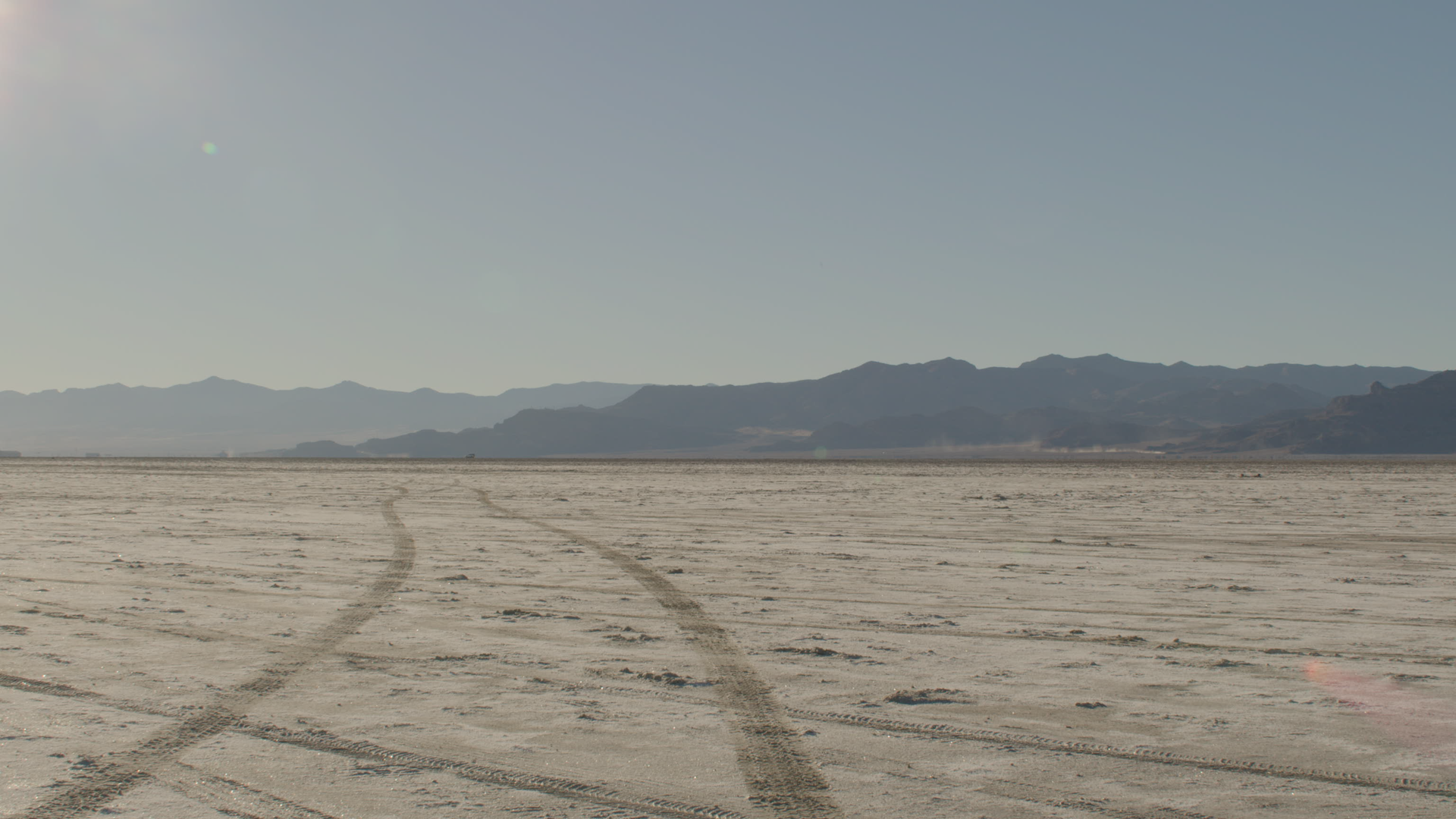
The peaceful imagery and the very heartfelt conversation are inherently at odds, so their juxtaposition is poignant. “The separation between sound and image became one of the film's central ideas,” Pyakuryal said. “The project was born during the political movement in Nepal, and I found myself in the peaceful landscapes of Utah while hearing about uncertainty and upheaval back home through phone calls. That disconnect felt important. I wanted the audience to experience something similar — to hear one reality while seeing another.”
In their conversations, Pyakuryal’s parents dispense valuable advice, reflect on the current events and upheaval happening around them, and chat in that mundane, familiar way many will recognize.
“Anyone who has lived away from home, cared for family from a distance, or felt caught between places can connect with [the film],” said Pyakuryal. These conversations are the type that long to be in-person and had while preparing for dinner or folding laundry. The distance intrinsic in phone-call audio and the lack of people on screen can feel deeply isolating.
“Being caught between places can be a lonely experience,” said Pyakuryal, who noted that loneliness is woven into the film. “I found myself surrounded by peaceful landscapes while emotionally occupied by events unfolding thousands of miles away. There was also a sense of isolation in not having many people around me who were experiencing the same thing.”

Pyakuryal doesn’t include his own voice in the film, beyond the occasional affirmative hum interspersed throughout the phone calls. “I removed my own voice from a film that relies so heavily on sound, reflecting helplessness, powerlessness, and ultimately loneliness,” he explained. “But I still wanted my presence to be felt.”
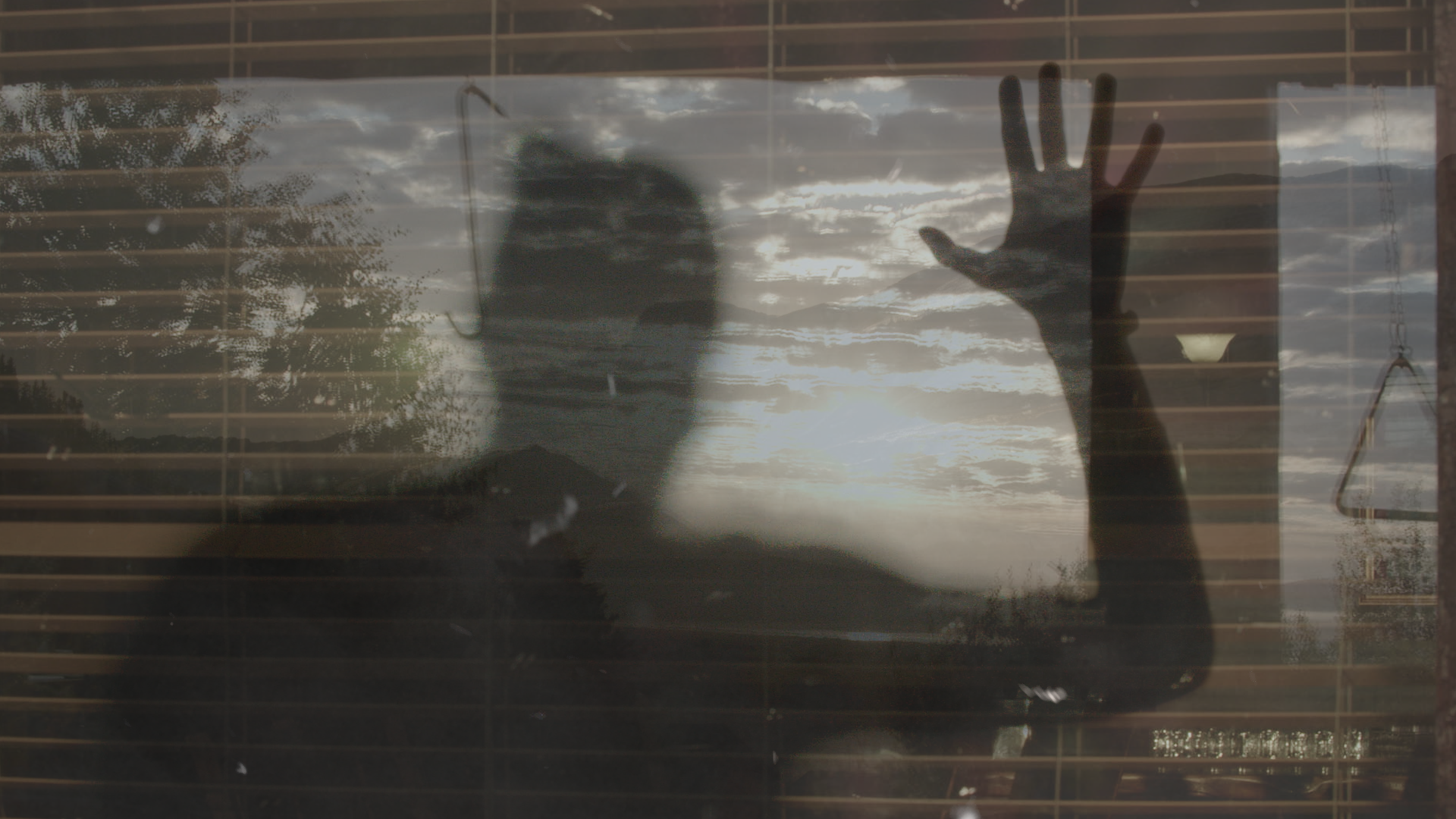
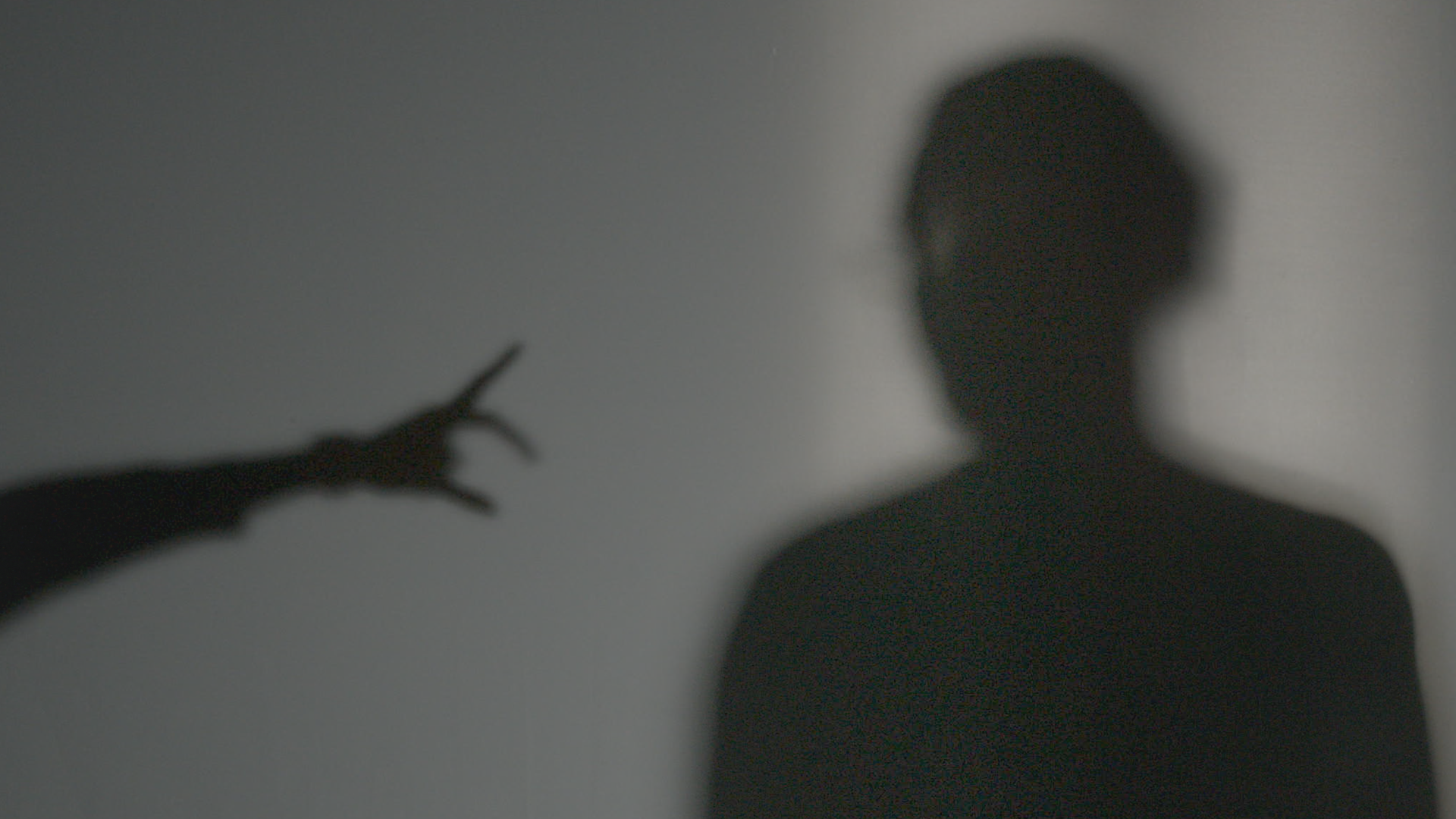
To make that happen, Pyakuryal inserts some imagery of his own shadows—an echo of his presence. “The shadow imagery became a way of inserting myself into the film visually while remaining absent from the conversations. It became another expression of the film's larger tension between presence and absence.”
The film’s deceptively simple imagery and emphasis on sound made choosing imagery “probably the most difficult part of the process,” Pyakuryal said, “The story is carried primarily through sound, so the images couldn't simply illustrate what was being said. I spent a lot of time experimenting and received valuable feedback from classmates and professors about creating a more intentional visual progression.”
Pyakuryal presents landscape imagery that emphasizes the wide-open nature of the Mountain West. “There was something about the mountains, valleys, and open spaces that reminded me of Nepal, while still feeling distinctly different,” said Pyakuryal. “That tension felt important to the film.”
“The experience of diaspora often feels like living in two worlds at once, constantly negotiating questions of home, identity, and belonging,” he said, and Pyakuryal searched for imagery that reflected this. “The process was very intuitive. I spent a lot of time driving, hiking, and simply sitting with landscapes while thinking about the questions the film was asking. When a place seemed to carry an emotional resonance that matched what I was feeling, I would film it.”
Pyakuryal’s process for choosing moments with his parents was similarly intuitively driven. “Rather than recreating conversations or conducting formal interviews, I recorded our actual phone calls,” he said. “There is a vulnerability and authenticity in those conversations that I don't think could have been achieved any other way. Inviting viewers into those moments felt risky, but it also felt honest.”
At a moment that perhaps is the climax of the film, Pyakuryal shows “a beautiful Utah sunset paired with sounds of unrest and rebellion.” He identifies as a sound-focused filmmaker and finds that sound often drives his storytelling more than images do.
“One thing I love about sound is its ability to hold multiple realities at once. On screen, you can only show one image at a time, but sound allows different spaces, emotions, and experiences to coexist,” he said. “When there isn't much visual movement demanding attention, viewers become more attuned to the complexity and motion within the soundscape itself.”
The film becomes a meditative experience, one that encourages the audience to turn within and view Pyakuryal’s experiences with empathy and some understanding of what it is like to be so far from home. “I Listen for the Sound of Ashes” took Pyakuryal to new places as a filmmaker. “The process was deeply personal and often uncomfortable, he said. “Turning inward can be difficult, but it also allows you to tell stories that no one else can. The film required a level of vulnerability that I hadn't experienced in my previous work.”
This vulnerability has resonated with audiences. “I attended KIMFF and was really moved by how many audience members connected with the film,” he shared. “The tension of leaving home for opportunity while remaining emotionally tied to it is something many Nepalis and South Asians understand intimately.”
“I Listen for the Sound of Ashes” will next screen at the Nepal America International Film Festival. Additionally, Pyakuryal will soon be shooting his thesis film—this time, in Nepal.
“The new film is a fiction short, but it shares many thematic concerns with ‘I Listen for the Sound of Ashes,’” he said. “While the story is very different from my documentary, many of the questions it asks come from the same place, and I see it as a continuation of themes I've become increasingly interested in exploring.”